A Move-Out Sort for Things You Actually Use
A move-out sort helps you assign each belonging a real place, recipient, or disposal route, so packing decisions fit the home and routines ahead.

A bookcase can look useful right up to the moment it blocks the new apartment’s bedroom door. A move-out sort is easier when you decide what each item will do in the home ahead, rather than judging it only by its past or imagined uses.
What will this item do in the next home?
Start with the destination, not with a general question about whether an object is useful. Identify its likely room, the routine it supports, and where it can be stored without displacing something you rely on more often.
That approach distinguishes a serving bowl used for family meals from a duplicate bowl with no place in the new kitchen. It also makes room for belongings used only seasonally, provided their purpose and storage spot are clear.
How can you sort by room without creating a second move?
Work through one room at a time, with separate destinations for keeping, offering to someone else, and disposal or recycling. Use boxes or bags marked with those destinations, and keep the pass-on area small enough that it does not become storage by default.
- Entryway: Check each coat, bag, and pair of shoes for condition and a place in the next home. If it suits the climate and routine, keep it; if it is clean and usable but not needed, offer it; if it is damaged beyond practical use, choose an appropriate disposal route.
- Kitchen: Check whether dishes, tools, and appliances are clean, complete, and suited to the meals you expect to make. If an item fits the new cupboards and supports a routine, keep it; if it works but duplicates something you prefer, offer it; if broken or incomplete, release it appropriately.
- Living room: Check furniture against the new room’s layout and the place you intend to put it. If it fits without blocking a route or displacing a more useful piece, keep it; if it is sound but unsuitable, offer it; if damaged and unusable, arrange disposal.
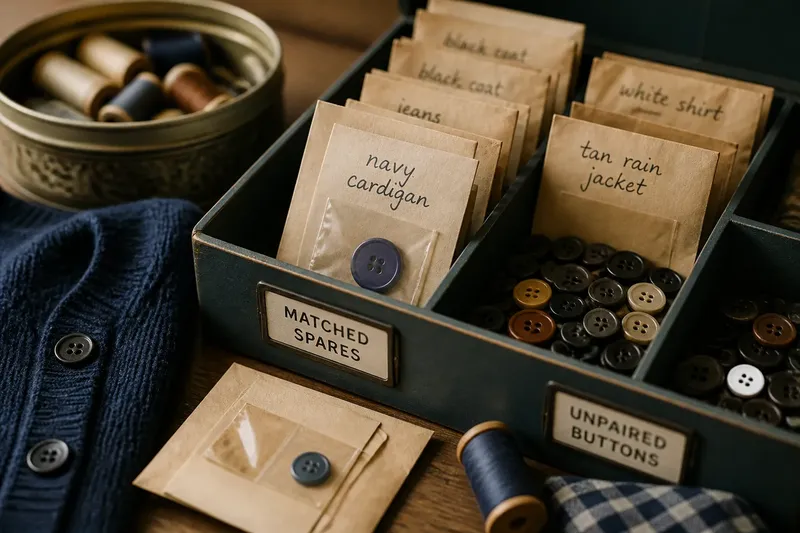
- Bedroom and closets: Check clothes for fit, condition, and relevance to the next season or setting. If you wear it or have a clear seasonal use, keep it; if it is clean and wearable but no longer suits you, offer it; if it is worn out, do not put it in a donation bag by default.
- Bathroom and laundry: Check towels, tools, and products for condition, completeness, and label instructions. If usable and needed, keep them; if clean and suitable for reuse, offer them where accepted; if empty, expired, or unsuitable, follow the label and local disposal guidance.
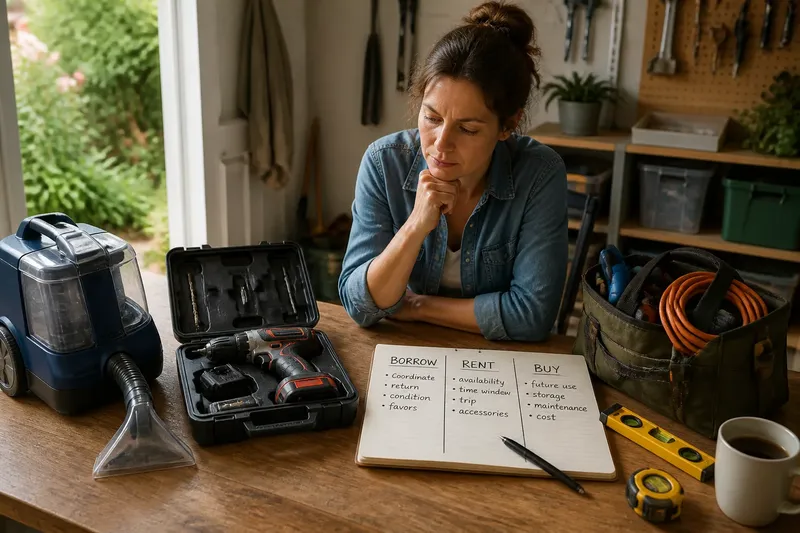
- Storage and work areas: Check project materials for a named task, the tools required, and an actual place to work. If those are in place, keep the materials together; if they are sound but not needed, offer them; if they cannot be used safely or practically, dispose of them through an appropriate route.
Set aside documents, medicines, sentimental belongings, and items with special handling instructions for a separate decision. Follow relevant labels, manufacturer guidance, or local rules rather than putting them in a general discard pile.
How do you decide whether to keep, offer, or release something?
Should an item go just because I rarely use it?
Not necessarily. A winter coat or emergency flashlight may be used infrequently but still serve a defined purpose; keep it if that need remains relevant and you have a sensible place for it.
Where can I offer usable belongings?
A neighbor, local Buy Nothing group, or community reuse shop may be suitable, depending on the item. Check the group or shop’s current acceptance rules, and offer only things that are clean, complete, and usable as described.
What should I do with materials for a possible project?
Name the task, the materials it needs, and where you would do the work. If you cannot identify those details, decide whether passing on sound supplies would serve someone better than packing them without a plan.
How can I sort belongings with memories attached?
Consider which objects themselves bring comfort and which mainly remind you of a story. If a photograph or a short written note preserves that memory well enough, you may be able to pass on the object without discarding its meaning.
What decisions make the move-out sort easier to finish?
Say you are moving from a house with a garage to an apartment without one. You have a folding workbench, a box of sanding blocks, and a few spare shelves; these are invented details for illustration. First, you check the apartment plan and find no suitable work area, then review the supplies and identify no specific project that fits the new space. You ask a neighbor whether they can use the complete workbench and sanding blocks; they want the workbench but not the blocks. The resulting decision is to offer the bench to the neighbor, offer the usable blocks through a community reuse group if accepted, and release any damaged pieces through the appropriate local route.
A short note can record the reason for a decision: “fits the entry closet,” “used for weekday lunches,” or “offer to neighbor.” It is more useful than marking an entire box as reviewed, because it links the item to an actual place or next action.
Make the pass-on route specific before setting belongings aside. A local Buy Nothing group, a reuse shop, or a named recipient can each work, but check what they accept and arrange a realistic handoff; if no suitable route emerges, choose an appropriate disposal option instead of carrying the pile into the new home.
A move-out sort becomes clearer when each item has a destination: a place and purpose in the next home, a likely recipient, or a suitable release route. When you revisit your move-out sort near packing time, that concrete destination helps separate belongings with a role from those that would arrive without one.